End of Tenancy Cleaning in N6: A Practical, Search-Friendly Approach for Tenants and Landlords
Why End of Tenancy Cleaning in N6 Matters
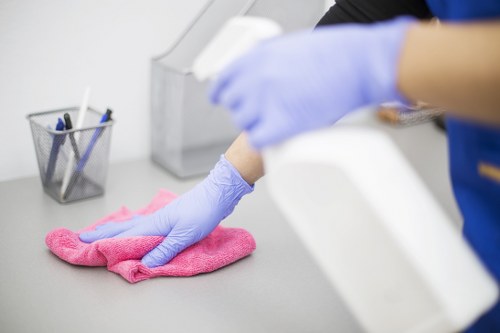
End of tenancy cleaning in N6 is one of the most important tasks when a rental property is about to change hands. Whether you are a tenant aiming to secure your deposit or a landlord preparing for new occupants, a spotless property makes a major difference. In a competitive rental area like N6, presentation matters. A clean home not only looks better but also signals care, order, and respect for the property.
Many people underestimate how detailed end of tenancy cleaning in N6 needs to be. It is not the same as a quick weekly tidy-up or a basic surface clean. Instead, it focuses on deep cleaning every room, removing built-up grime, and restoring the property as closely as possible to its original condition. This can include kitchens, bathrooms, floors, windows, appliances, skirting boards, and hidden corners that are easy to miss.
In a busy postcode such as N6, where homes range from modern apartments to period properties, the cleaning requirements can vary. Some properties need special attention because of older fittings, delicate materials, or high-traffic areas. That is why a structured approach to end of tenancy cleaning is so valuable. It helps ensure nothing is overlooked, and it can make the handover process far smoother.
What Makes End of Tenancy Cleaning Different?
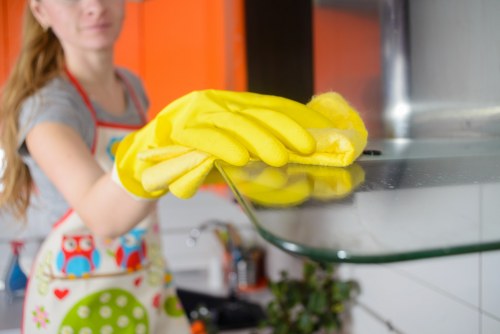
Unlike standard domestic cleaning, end of tenancy cleaning in N6 aims to meet inspection-level standards. This is often the level expected by landlords, letting agents, and inventory clerks. The property must usually be left in a condition that is clean enough for the next resident to move in without needing major additional cleaning.
The process is more detailed than many people expect. A proper end of tenancy cleaning service in N6 often includes deep degreasing kitchen surfaces, sanitising bathroom fixtures, dusting behind and underneath furniture, removing limescale, wiping internal doors, and cleaning inside cupboards and drawers. It is a thorough process that goes beyond what most people do during a routine clean.
Why does this matter? Because tenancy agreements often include cleanliness clauses. If the property is not left in the correct condition, deductions may be made from the deposit. Even small oversights, such as dirty skirting or sticky kitchen cupboards, can become reasons for disputes. This is why investing time and attention into end of tenancy cleaning in N6 can pay off significantly.
Key Areas Covered in End of Tenancy Cleaning in N6
To achieve a proper finish, the work usually covers the entire property. A professional-style checklist for end of tenancy cleaning in N6 often includes the following:
- Deep cleaning kitchens, including ovens, hobs, extractor fans, and splashbacks
- Cleaning bathrooms, showers, bathtubs, sinks, taps, tiles, and toilets
- Dusting and wiping all reachable surfaces, shelves, and fixtures
- Vacuuming and mopping all floors
- Cleaning internal windows, frames, and sills
- Wiping light switches, plug sockets, and door handles
- Removing cobwebs from ceilings and corners
- Cleaning inside cupboards, wardrobes, and drawers
These tasks may sound simple, but when combined they create the detailed result expected from end of tenancy cleaning in N6. The goal is to leave the space fresh, hygienic, and ready for a new tenant. In many cases, the kitchen and bathroom are the most inspected rooms, so they deserve extra time and focus.
It is also worth noting that some properties require special treatment for carpets, upholstery, or delicate flooring. If the rental has hardwood floors, for example, they should be cleaned with suitable products to avoid damage. Likewise, period homes in N6 may include ornate features that need gentle handling.
How End of Tenancy Cleaning Supports Deposit Recovery

One of the main reasons tenants arrange end of tenancy cleaning in N6 is to improve the chances of a full deposit return. Landlords and managing agents typically expect the property to be returned in a professionally clean condition. If it falls short, deductions may be applied to cover additional cleaning costs.
Deposit disputes are often avoidable. A property that is cleaned carefully, with attention to detail, is far less likely to trigger complaints during the final inspection. This is why tenants often choose to follow a room-by-room checklist or hire specialist help for end of tenancy cleaning in N6. The more thorough the clean, the better the final impression.
Small details matter. For example, oven grease, soap residue in shower screens, or dust on top of cupboards may seem minor, but they can be enough for a landlord to request extra cleaning. When the aim is to protect a deposit, overlooking these details is a risk not worth taking.
Why Landlords Benefit from End of Tenancy Cleaning in N6
Landlords also gain a great deal from arranging or encouraging end of tenancy cleaning in N6. A freshly cleaned property is easier to market, easier to inspect, and more appealing to prospective tenants. First impressions are important, and a clean interior can help the letting process move faster.
When a home is left in excellent condition, it creates a smoother transition between tenancies. This reduces downtime, supports better property presentation, and can help maintain the overall standard of the rental. In a sought-after London area like N6, tenants often compare several properties, so appearance can influence interest levels quickly.
There is also a practical benefit. If a property is properly cleaned before re-letting, maintenance issues are easier to spot. Dirt can hide stains, cracks, mould, or wear and tear. Once a full end of tenancy cleaning in N6 has been completed, any underlying issues are more visible and can be addressed before new occupants arrive.
Rooms That Need the Most Attention
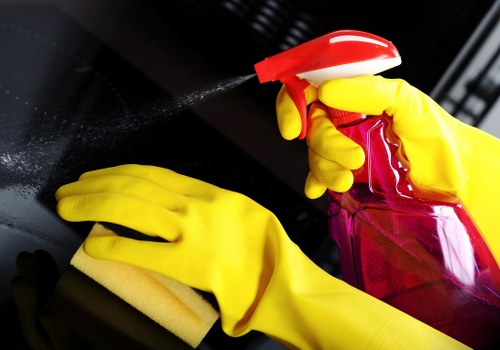
Every room matters during end of tenancy cleaning in N6, but some areas deserve extra focus because they tend to collect dirt faster. Kitchens, bathrooms, living rooms, and bedrooms each come with their own cleaning challenges. Understanding these can help you plan your time more effectively.
The Kitchen
The kitchen is often the hardest room to clean. Grease, food splashes, limescale, and crumbs can collect in hidden places. A good end of tenancy clean should include the oven, hob, extractor fan, fridge, freezer, sink, taps, cupboard fronts, and all work surfaces. End of tenancy cleaning in N6 nearly always spends the most time in this room because it is one of the most inspected areas.
The Bathroom
Bathrooms need sanitising as well as cleaning. Limescale, mould, soap scum, and water marks can build up quickly. Taps, shower screens, tiles, grout, mirrors, toilets, and sinks should all be cleaned thoroughly. A sparkling bathroom can make a huge difference during a final inspection.
Living Areas and Bedrooms
Living rooms and bedrooms may look simple to clean, but they still require close attention. Dust builds up on shelves, skirting boards, light fittings, and behind furniture. Carpets should be vacuumed carefully, and if required, treated for stains. Wardrobes, drawers, and storage spaces should be wiped inside and out.
Preparing for End of Tenancy Cleaning in N6
Preparation is an essential part of getting the best results from end of tenancy cleaning in N6. Before cleaning begins, it is helpful to remove personal belongings, sort recycling, and pack up items that are not staying in the property. A clutter-free space is much easier to clean thoroughly.
It can also help to carry out a quick pre-inspection of the property. Look for stains, marks, dust spots, and damaged items that might need attention. By making a list in advance, you can plan the cleaning more efficiently and reduce the chance of missing key areas.
Here are a few useful preparation steps:
- Remove all personal items from rooms, cupboards, and storage spaces.
- Defrost the fridge and freezer in advance if they need cleaning.
- Take down any removable hooks, stickers, or decorations if required.
- Check the tenancy agreement for cleaning expectations.
- Gather suitable cleaning products and tools before starting.
These simple actions make end of tenancy cleaning in N6 much more manageable and reduce stress on moving day.
Common Mistakes to Avoid
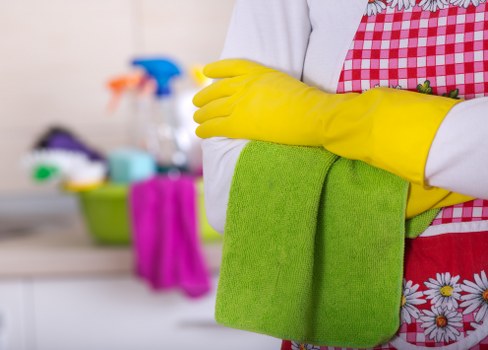
Even with the best intentions, it is easy to make mistakes during end of tenancy cleaning in N6. One of the most common is focusing only on visible surfaces. While floors and countertops are important, hidden areas often matter just as much during inspection.
Another mistake is using the wrong products. Harsh chemicals can damage surfaces, especially in older N6 properties with delicate finishes. Always check whether a cleaner is suitable for the material you are treating. For instance, wooden floors, stainless steel, painted walls, and stone surfaces each need different care.
Rushing is another issue. A proper end of tenancy clean takes time, and trying to finish too quickly usually results in missed spots. Patience, planning, and attention to detail are all essential. If time is short, breaking the task into stages is often more effective than trying to do everything in one go.
DIY or Professional End of Tenancy Cleaning in N6?
Many tenants wonder whether they should handle end of tenancy cleaning in N6 themselves or hire professional help. The answer depends on budget, available time, and the condition of the property. Both approaches can work, but each has advantages.
A DIY clean may suit those who are confident, organised, and able to spend several hours or even a full day on the task. It can be cost-effective, especially for smaller flats or properties that have been well maintained throughout the tenancy. However, DIY cleaning requires effort, suitable tools, and a solid checklist.
Professional-style cleaning is often preferred when the property is large, heavily used, or expected to meet a very high standard. A specialist service can handle the detailed work more efficiently and with stronger results. For busy households, moving tenants, or people with limited time, this option can be a practical solution.
In many cases, the best choice comes down to the final inspection standard. If you want peace of mind and a polished finish, investing in a thorough service for end of tenancy cleaning in N6 may be worthwhile.
Cleaning Products and Tools That Help
Having the right equipment can make a major difference when carrying out end of tenancy cleaning in N6. A few well-chosen tools can save time and improve results across the entire property.
Useful cleaning essentials include:
- Microfibre cloths for dusting and wiping
- Sponges and non-scratch scrub pads
- Vacuum cleaner with attachments
- Mop and bucket
- Glass cleaner for mirrors and windows
- Degreaser for ovens and kitchen surfaces
- Limescale remover for taps, sinks, and bathroom fittings
- Multipurpose disinfectant
Using the correct tools makes end of tenancy cleaning in N6 much more efficient. It also reduces the risk of streaks, residue, or surface damage. In some cases, specialist products may be needed for carpets, upholstery, or stubborn stains.
Tip: Always test new products on a small hidden area first, especially in older properties or homes with sensitive finishes.
Timing and Planning for a Smooth Handover
Good timing is essential when arranging end of tenancy cleaning in N6. Ideally, the property should be cleaned after all belongings have been removed and before the final inspection takes place. This ensures every area is accessible and easy to assess.
If possible, schedule cleaning close to the move-out date but with enough buffer time to fix any issues that arise. For example, if you notice marks on walls, mould in the bathroom, or stubborn grease in the oven, having extra time allows you to deal with them properly. Last-minute cleaning often leads to stress and incomplete work.
A sensible plan usually includes:
1. Packing and decluttering first.
2. Cleaning room by room.
3. Checking each area against the tenancy agreement.
4. Performing a final walkthrough.
5. Taking note of any maintenance concerns.
Local Relevance: Why N6 Properties Need Special Care
N6 includes a mix of property styles, from family homes to apartments and period conversions. This variety means end of tenancy cleaning in N6 is rarely one-size-fits-all. Older homes may have textured surfaces, detailed woodwork, or older fixtures that need delicate handling. Modern flats may include integrated appliances, glass surfaces, and contemporary flooring that show marks easily.
Because of this diversity, it is important to adapt the cleaning approach to the property itself. A careful clean should respect the building’s features while still reaching the high standard expected at the end of a tenancy. In a locality where presentation matters, this attention to detail makes a noticeable difference.
For tenants and landlords alike, end of tenancy cleaning in N6 supports better property care, better handovers, and fewer disputes. It is not just about making the place look tidy; it is about restoring the home properly and preparing it for the next chapter.
Final Thoughts on End of Tenancy Cleaning in N6
End of tenancy cleaning in N6 is a crucial step in the moving process. It helps tenants protect their deposits, supports landlords in presenting properties well, and makes the transition between occupiers much smoother. When done properly, it leaves the property fresh, hygienic, and ready for inspection.
From deep-cleaning kitchens and bathrooms to dusting hidden corners and polishing floors, every detail counts. The more careful the approach, the better the result. Whether you choose to do it yourself or rely on specialist support, the key is to plan ahead and clean with purpose.
If you are preparing to move out or getting a rental ready for new tenants, now is the perfect time to act. Contact us today or book your service now to make end of tenancy cleaning in N6 straightforward, efficient, and inspection-ready. A clean property creates confidence, and that confidence can make all the difference.