Oven Cleaning in N6: A Practical, SEO-Friendly Approach to a Cleaner Kitchen
Why Oven Cleaning in N6 Matters for Every Home
Keeping your oven in top condition is about more than appearances. For households looking for oven cleaning in N6, the benefits go far beyond a shiny appliance. A clean oven heats more efficiently, cooks food more evenly, and reduces the buildup of smoke, grease, and lingering odours. In a busy kitchen, it is easy for splatters, spills, and baked-on residue to accumulate over time, but ignoring them can lead to poor performance and unpleasant cooking experiences.
When you invest time in oven cleaning in N6, you are also helping to maintain a healthier kitchen environment. Grease and carbon deposits can create smoke when the oven is in use, and those residues may affect the taste of your meals. Regular cleaning also helps prevent stubborn stains from becoming long-term problems. For many homeowners, the idea of cleaning the oven can feel daunting, but with the right methods and a sensible schedule, it becomes much more manageable.
There is also a practical financial advantage. A well-maintained oven is less likely to suffer from avoidable wear and tear. If residue is allowed to build up around heating elements, seals, trays, and fans, the appliance may have to work harder than necessary. Over time, that can shorten its lifespan. Choosing oven cleaning in N6 is therefore a smart way to protect an important kitchen investment while also improving daily cooking results.
What Makes Oven Cleaning in N6 Different?

The N6 area is known for its mix of family homes, modern apartments, and busy professional households. That means oven cleaning needs can vary widely depending on lifestyle, household size, and cooking habits. Some homes use the oven daily for family meals, while others rely on it for weekend baking or entertaining. In every case, oven cleaning in N6 should be tailored to the appliance’s condition and the level of buildup inside.
Different types of ovens also require different cleaning approaches. Fan ovens, conventional ovens, self-cleaning ovens, range cookers, and compact ovens all have their own features and sensitivities. When planning oven cleaning in N6, it is important to understand whether the appliance has catalytic liners, enamel interiors, removable glass panels, or pyrolytic functions. Using the wrong method can damage finishes or reduce the effectiveness of the unit.
Another factor is the level of use. A lightly used oven may only need a basic degrease and wipe-down, while a heavily used one might need deep cleaning, tray soaking, and attention to the door seals. That is why many residents prefer a structured approach rather than a rushed scrub. Oven cleaning in N6 works best when it balances effectiveness, safety, and the specific needs of the appliance.
Signs Your Oven Needs Attention

It is not always obvious when an oven has reached the point where cleaning is overdue. However, there are several common signs that suggest it is time to act. The most noticeable one is smoke during cooking, especially when the oven is preheated. This often happens because grease or food debris has collected at the bottom or on internal surfaces.
Other signs include a strong burnt smell, visible grease splashes, dark stains on the interior walls, and trays that are sticky or discoloured. If food is coming out with an off taste or if baking results seem inconsistent, residue may be affecting the heat distribution. For households seeking oven cleaning in N6, these signals are a clear reminder that the appliance needs proper care.
There may also be a maintenance clue in the oven door itself. If the glass is cloudy or coated with a greasy film, it can be difficult to monitor your cooking safely and accurately. Likewise, if the rubber seal around the door is dirty or damaged, heat can escape, making the oven less efficient. Acting early with oven cleaning in N6 can prevent these issues from escalating into more serious problems.
How to Approach Oven Cleaning in N6 Safely
Step-by-Step Cleaning Basics
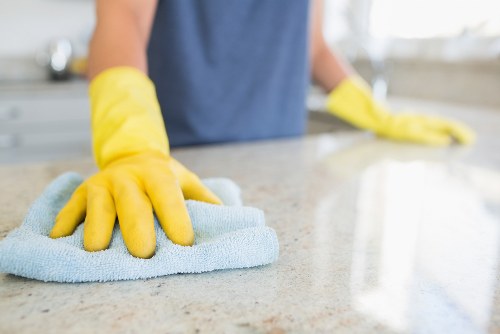
Before starting any cleaning routine, safety should always come first. Make sure the oven is completely switched off and cool to the touch. If possible, disconnect it from power, especially if you intend to clean around the control panel or interior components. Wear gloves to protect your hands from cleaning products and grease, and ensure the kitchen is well ventilated by opening a window or switching on an extractor fan.
Next, remove loose items such as racks, trays, and any removable accessories. These can often be soaked separately in warm water and a mild degreasing solution. For oven cleaning in N6, many homeowners find that an organised method works best: remove, soak, clean, rinse, and dry each part before reassembling the oven. This helps reduce missed spots and prevents grime from spreading.
It is wise to use products suitable for the oven’s interior material. Enamel surfaces generally tolerate gentle degreasers, but harsh abrasives can scratch or dull them. For self-cleaning ovens, always follow the manufacturer’s instructions. If you are unsure which cleaning method is safest, professional oven cleaning in N6 can provide peace of mind and help protect the appliance from accidental damage.
Helpful Cleaning Supplies
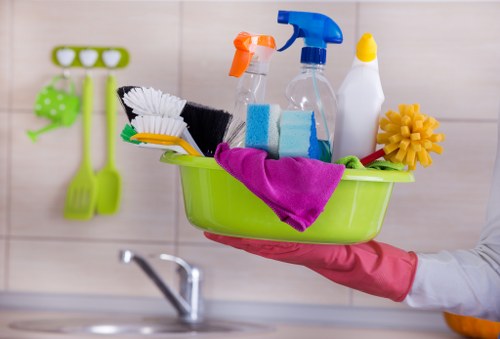
- Microfibre cloths for wiping and polishing
- Non-abrasive sponges for stubborn residue
- Mild degreasing solution
- Warm soapy water for trays and racks
- Gloves for hand protection
- Soft brush or toothbrush for corners and seals
Benefits of Professional Oven Cleaning in N6
While some homeowners prefer to clean their ovens themselves, professional oven cleaning in N6 offers several advantages. One of the biggest is thoroughness. Professional cleaners have the tools and expertise to remove baked-on grease, carbon buildup, and hidden residue from hard-to-reach places. This can make a significant difference to both appearance and performance.
Another major benefit is convenience. Deep cleaning an oven can take a substantial amount of time, especially if the appliance has not been maintained regularly. For busy families and professionals, outsourcing the task saves effort and allows the kitchen to be used again quickly. Oven cleaning in N6 can be especially appealing for households that value efficiency and want to avoid the frustration of scrubbing stubborn deposits.
There is also the issue of safety. Certain chemicals require careful handling, and some oven components can be sensitive to aggressive scrubbing or unsuitable cleaning products. A trained professional understands how to deal with different oven types and finishes. As a result, oven cleaning in N6 can help preserve the appliance while delivering a noticeably cleaner and fresher result.
Common Areas Missed During Oven Cleaning
Even when an oven looks clean at first glance, hidden grime may still remain in places that are easy to overlook. The top of the oven cavity, the edges around the door, the racks, and the door glass often hold more grease than expected. These neglected areas can continue to affect performance and odour, even after a surface clean.
In many cases, the fan cover, corners of the cavity, and underside of removable trays collect the most stubborn buildup. When performing oven cleaning in N6, these areas deserve special attention because they can trap residue that bakes on repeatedly during cooking. A detailed clean should address all surfaces rather than just the visible centre.
The door seals also deserve careful handling. If too much dirt gathers there, the seal may not sit properly, which can lead to heat loss. That is one reason why oven cleaning in N6 should be done with both precision and patience. A thorough approach helps avoid recurring issues and supports better oven efficiency over time.
How Often Should You Clean an Oven?
The ideal frequency for oven care depends on use. For households that cook several times a week, a light wipe-down after spills and a deeper clean every few months may be appropriate. If the oven is used less often, the interval may be longer, but it is still important not to let residue build up. Regular attention is always easier than dealing with a heavily soiled appliance later.
For many people, a sensible schedule includes quick maintenance after messy cooking sessions, such as roasting or baking dishes that bubble over. This prevents hardening and makes future cleaning much simpler. In the context of oven cleaning in N6, consistent upkeep is one of the most effective ways to keep the kitchen looking fresh and functioning properly.
Households with children, pets, or frequent entertaining may need more frequent cleaning because the oven is likely to be in heavier use. The goal is to prevent grease from becoming thick, sticky, and difficult to remove. With oven cleaning in N6, a routine approach helps keep the process manageable and the appliance ready whenever it is needed.
Eco-Friendly Oven Cleaning in N6
Many residents are now looking for environmentally conscious ways to maintain their homes, and oven cleaning in N6 is no exception. Eco-friendly cleaning methods often focus on reducing harsh chemicals while still achieving strong results. This can include using steam, baking soda paste, vinegar-based solutions, or biodegradable degreasers that are gentler on both the oven and the environment.
Natural methods can be useful for light to moderate buildup, especially when combined with regular maintenance. A baking soda paste, for instance, can help lift grease from interior surfaces when left to sit for a period before wiping. Vinegar can assist with deodorising and loosening residue. While these methods are not always enough for extremely dirty ovens, they can be a useful part of a greener oven cleaning in N6 routine.
Eco-conscious cleaning also means using less water and fewer disposable materials where possible. Microfibre cloths are reusable and effective, making them a good option for homeowners who want to reduce waste. By choosing thoughtful products and methods, oven cleaning in N6 can align with a more sustainable household approach without sacrificing cleanliness.
Advantages of Greener Methods
- Reduced exposure to harsh fumes
- Safer for families and pets when used correctly
- Lower environmental impact
- Gentler on oven finishes
- Supports regular maintenance habits
Why Regular Maintenance Improves Cooking Results
A clean oven does more than look good. It directly influences how your food cooks. When grease, soot, and food debris cover the interior, heat may not circulate evenly. That can lead to uneven roasting, undercooked centres, or burnt edges. For anyone who enjoys baking or cooking from scratch, oven cleaning in N6 can noticeably improve the outcome of everyday meals.
Temperature consistency is especially important for baking bread, pastries, cakes, and roasts. Residue inside the oven can interfere with accurate heat distribution, which affects timing and texture. By keeping up with oven cleaning in N6, you help your appliance perform at a level that supports more reliable results and fewer culinary frustrations.
There is also a sensory benefit. Freshly cleaned ovens smell better and do not release as much smoke when in use. That means a more pleasant cooking environment overall. In a busy home, this can make the kitchen feel more welcoming. For those who value both performance and comfort, regular oven cleaning in N6 is a simple but worthwhile habit.
Choosing the Right Cleaning Approach for Your Oven
Not every oven should be cleaned the same way. Some units have delicate finishes, while others can handle deeper treatment. Before starting, it is important to identify the model and review the manufacturer’s care instructions. This helps you avoid damaging coatings, vents, or electronic controls. A careful approach is especially important when dealing with high-end appliances.
If your oven has a self-cleaning function, remember that this does not eliminate the need for maintenance. It can reduce buildup, but it may not remove all grease or leave the door and external surfaces spotless. In many cases, oven cleaning in N6 still requires some manual attention to achieve a truly polished finish.
For ovens with heavy buildup, professional methods may be more efficient. A trained cleaner can disassemble removable parts where appropriate, target hardened residue, and ensure the appliance is left in a usable, tidy condition. Whether you choose a DIY method or expert help, the key to successful oven cleaning in N6 is matching the method to the appliance.
Simple Decision Points
- How dirty is the oven?
- What type of oven do you have?
- Do you have the right tools and products?
- How much time can you realistically spend?
- Would professional help save time and reduce risk?
Fresh Kitchen, Better Routine: Keeping Your Oven Ready
A good oven care routine does not need to be complicated. Small habits can make a huge difference, such as wiping up spills soon after the oven cools, lining trays appropriately, and checking for buildup regularly. These steps reduce the need for intensive scrubbing later and help the appliance remain in good condition for longer.
Many people in the area prefer to combine quick maintenance with occasional deep cleans. This balanced method keeps the oven looking respectable without making the task feel overwhelming. If you want a kitchen that feels fresher and runs more efficiently, oven cleaning in N6 is one of the simplest improvements you can make.
Ultimately, a clean oven supports a cleaner home, better cooking, and less stress during meal preparation. Whether you handle the job yourself or choose expert assistance, taking action sooner rather than later is always wise. Book your service now and keep your kitchen performing at its best. If your oven has become difficult to manage, contact us today to take the next step toward a cleaner, healthier cooking space.