Health and Safety Policy for Carpet Cleaners N6
 This Health and Safety Policy sets out the standards expected from carpet cleaners working in homes, offices, and shared premises. Its purpose is to reduce risk, protect workers and occupants, and ensure that every carpet cleaning service is carried out in a safe, controlled, and professional manner. All staff are expected to follow this policy at every stage of the job, from preparation to completion.
We recognise that carpet cleaning involves a combination of wet surfaces, electrical equipment, cleaning agents, lifting tasks, and close work in occupied properties. These conditions can create hazards if not properly managed. For that reason, our approach focuses on planning, training, communication, and consistent use of safe working methods. Safety is treated as an essential part of service quality, not an optional extra.
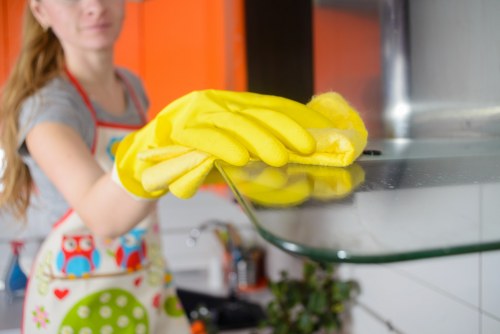 The responsibilities set out here apply to all team members, including supervisors and anyone supporting the delivery of carpet cleaning services. Everyone must take reasonable care of their own safety and that of others, report hazards promptly, and stop work if a condition becomes unsafe. Good housekeeping, attention to detail, and compliance with established procedures help prevent accidents and support reliable results.
Risk Assessment and Safe Planning
Before any job begins, a suitable and sufficient risk assessment must be completed. This includes checking the condition of the carpet, identifying obstacles, noting any fragile items, and confirming whether there are children, pets, or vulnerable occupants nearby. A proper assessment helps determine the safest method for the work and whether any additional controls are needed. In many cases, a professional carpet cleaner must adapt the process to the property rather than applying a fixed routine.
Particular attention must be given to slip hazards, access routes, ventilation, and the placement of cables or hoses. Floors may become damp during extraction or shampooing, so warning measures should be used where needed. Staff must keep work areas tidy and ensure that doors, steps, and transitions between rooms do not create unnecessary risks. A careful rug and carpet cleaning setup reduces the chance of injury and improves workflow.
 If a property presents unusual risks, such as damaged flooring, restricted access, or evidence of contamination, the job should be paused until the risk is controlled. Supervisors may decide to use alternative equipment, adjust the method, or limit the area to be cleaned. The aim is always to complete the work safely rather than quickly. This approach supports both workplace safety and consistent service standards.
Equipment, Chemicals, and Electrical Safety
All machines, tools, and accessories used in carpet cleaner operations must be maintained in good working order. Electrical items should be visually checked before use, and damaged equipment must not be used until it has been inspected and repaired by a competent person. Leads and plugs must be handled carefully to avoid trip hazards, overheating, or water contact. Equipment should only be operated by trained staff who understand its controls and limitations.
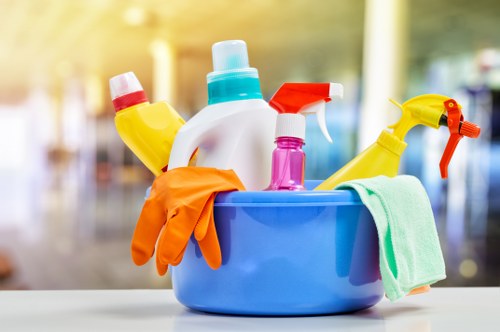
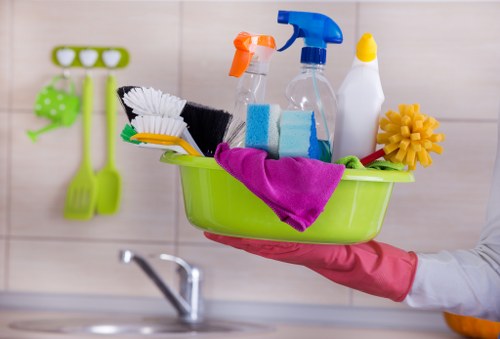
Cleaning chemicals must be stored, handled, and diluted in line with the manufacturer’s instructions. Staff should wear suitable protective gloves and, where necessary, eye protection when preparing solutions or dealing with stronger products. Never mix cleaning agents unless instructed to do so by a safety-approved procedure. Clear labelling and correct storage are important for preventing accidental exposure during carpet cleaning work.
Where steam or hot-water extraction systems are used, staff must be aware of burn risk, pressure risk, and the possibility of hot surfaces. Machines should be allowed to cool when required, and hoses should be arranged to avoid contact with feet, furniture, or delicate fixtures. Safe use of equipment is a core part of commercial carpet cleaning and domestic service delivery alike.
Manual Handling, Hygiene, and Occupational Health
Carpet cleaning often involves moving machines, lifting accessories, and repositioning furniture. These tasks must be carried out using safe lifting techniques and, where possible, with mechanical assistance or team lifting. Staff should avoid twisting, rushing, or carrying loads that are too heavy or awkward. Proper planning helps reduce strain and supports long-term wellbeing for every carpet cleaning technician.
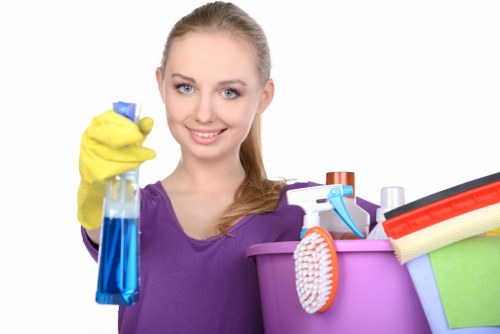
Hygiene standards are equally important. Hands should be cleaned after contact with chemicals, waste, contaminated materials, or dirty water. Any spill should be contained and cleaned promptly using the correct method. Staff should not eat or drink in work areas where contamination may occur. Where jobs involve dust, mould, pet dander, or other irritants, suitable personal protective equipment must be selected to reduce exposure.
 Occupational health also includes managing fatigue, stress, and repetitive tasks. Supervisors should ensure workloads are realistic and that staff have adequate breaks, especially during demanding assignments. Training should cover safe posture, chemical awareness, emergency procedures, and correct use of carpet cleaning equipment. A healthy workforce is more likely to provide careful, consistent, and dependable service.
Emergency Response, Reporting, and Review
All staff must know what to do in the event of an accident, fire, chemical exposure, electric shock, or major spill. Emergency procedures should be understood before work starts, and any immediate danger must be reported without delay. First aid provisions should be available where required, and the area should be made safe before work resumes. A calm, organised response helps minimise harm and limits disruption.
Any accident, near miss, unsafe condition, or equipment failure must be recorded and reviewed. This includes slips, trips, skin irritation, breathing difficulties, and any issue involving the use of carpet cleaning machines or chemicals. Reports should be used to identify trends and improve controls, not to assign blame. Continuous learning strengthens the overall safety culture and supports higher standards across all jobs.
 This policy will be reviewed regularly to ensure it remains suitable, effective, and aligned with current best practice. Changes in equipment, products, work methods, or legal expectations will be reflected in updates to the policy and associated procedures. Every team member involved in residential carpet cleaning or commercial work is expected to follow these requirements at all times. By doing so, we protect people, property, and the quality of the service itself.